
Kraft Paper vs Art Paper Bags: Which Is Right for Your Brand?
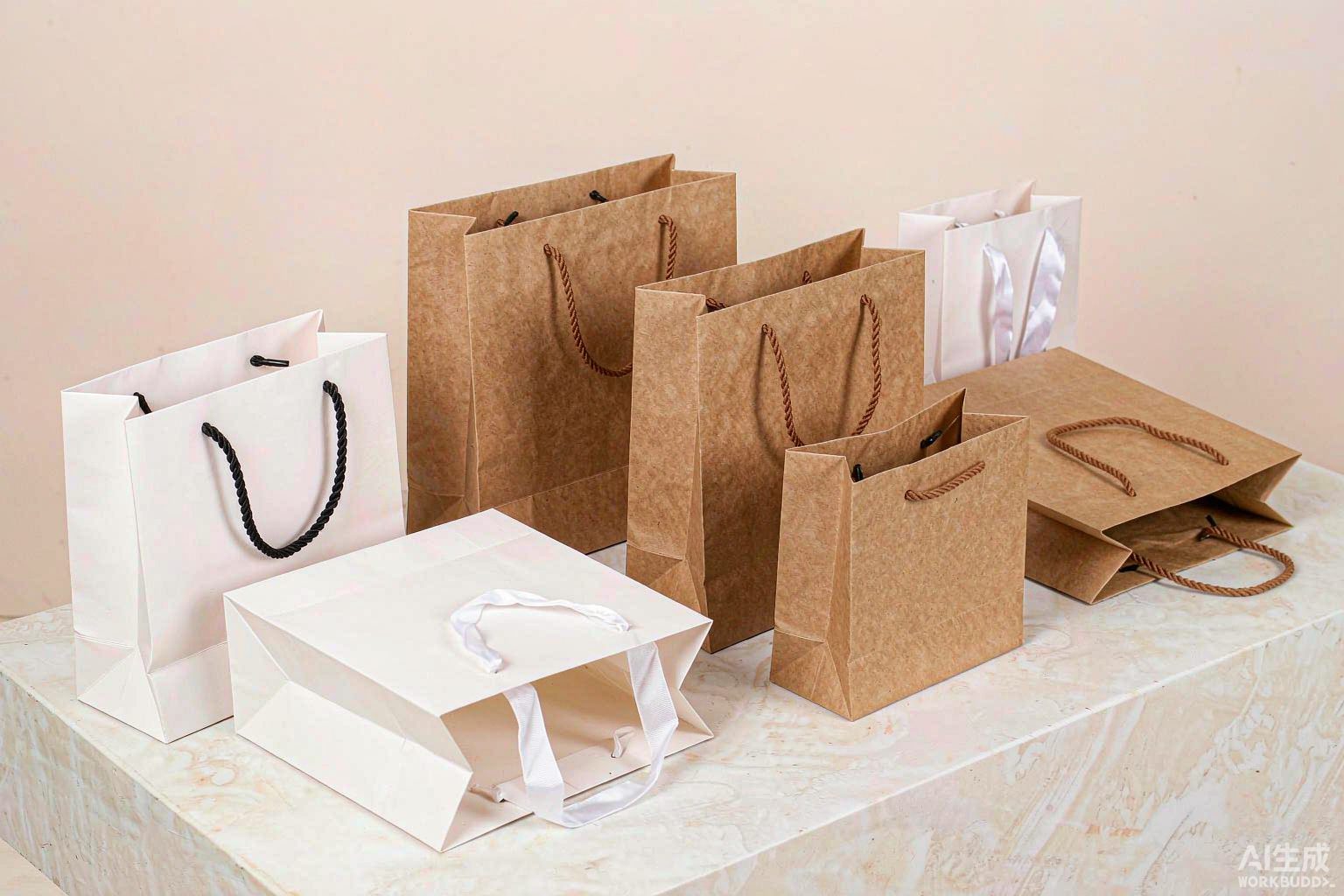
"Should we use kraft or art paper?" is the single most common question our export team hears from new buyers. The two materials look similar on a quotation sheet but behave very differently in print quality, perceived value and cost. This comparison comes from producing both, side by side, for over a decade — not from a spec sheet.
The 30-Second Answer
- Choose kraft paper if you want an eco-friendly, natural look at the lowest unit cost — retail, grocery, food service, events.
- Choose art paper if your packaging must communicate luxury — fashion, cosmetics, jewelry, premium gifting.
Everything below is the "why".
Material Basics
Kraft Paper
Kraft paper is made from unbleached (brown) or bleached (white) wood pulp with long fibers, giving it exceptional tear resistance for its weight. Shopping bag grades typically run 70-150 GSM. It can be virgin or recycled — recycled kraft is the most sustainable option and the one most eco-brands ask for.
Art Paper (Coated Paper)
Art paper is coated with a fine mineral layer that creates a smooth, bright white printing surface. Bag grades run 157-250 GSM, and it is almost always laminated (matte or gloss) for strength and finish. The coating is what makes photographic-quality printing possible.
Side-by-Side Comparison
| Factor | Kraft Paper Bag | Art Paper Gift Bag |
|---|---|---|
| Print quality | Good for bold graphics, 1-4 colors; subtle gradients get absorbed by the fibrous surface | Excellent — photographic detail, rich solids, metallic inks all reproduce faithfully |
| Finishing options | Limited — stamping possible but less crisp; usually unlaminated | Full range: matte/gloss lamination, foil stamping, spot UV, embossing, soft-touch |
| Strength | Very high tear resistance at low weight; handles moisture moderately | Good rigidity and shape retention; tear resistance comes from lamination |
| Unit cost (typical) | Baseline — the cheapest custom printed carrier bag | 40-80% higher, depending on GSM and finishes |
| Brand message | Natural, eco-conscious, honest, casual | Premium, polished, gift-worthy |
| Typical buyers | Retail chains, grocery, cafes, events, e-commerce | Fashion, beauty, jewelry, electronics, corporate gifting |
Print Quality: Where the Difference Really Shows
Put the same artwork on both materials and you will see it immediately. Kraft's absorbent, textured surface softens fine lines and mutes colors — which is exactly why simple, bold logos in 1-2 colors look fantastic on it, and why a detailed product photo looks muddy.
Art paper's coated surface holds ink on top, so gradients, photographs and metallic Pantones come out sharp. If your design includes full-bleed color, photography or fine typography, art paper is the only safe choice.
Cost: What You Actually Pay For
On a typical 26×13×32 cm shopping bag at 10,000 pcs, art paper costs 40-80% more per unit than kraft. The premium buys you three things: the coated paper itself, lamination (which adds a full production step), and finishing processes like foil stamping.
Where buyers waste money: choosing art paper for a design that would look equally good on white kraft. Bleached white kraft with a simple logo achieves a clean, modern look at kraft pricing — worth sampling before you commit to the premium material.
Sustainability: Not As Simple As It Looks
Kraft wins on perception and, usually, on fact: unbleached and recycled kraft has the lowest processing footprint, and unlaminated kraft bags are fully recyclable and biodegradable.
Art paper bags are technically recyclable, but the lamination film complicates recycling streams in many markets. If your brand makes explicit environmental claims — especially in the EU or Australia — verified chain-of-custody paper and documented ink specifications are the defensible choice. Our food packaging line follows the same logic: specified food-contact materials, minimal processing and order-specific documentation.
Decision Framework
- Budget first: under roughly $0.35/unit target? Kraft. Above that, both are possible.
- Design second: 1-2 spot colors, bold logo → kraft. Full color, photos, metallic effects → art paper.
- Context third: daily-use carrier → kraft. Gift or high-value purchase → art paper.
- Brand values last: explicit eco positioning → recycled kraft with verifiable sourcing documentation. Luxury positioning → art paper with considered finishes.
See Both Before You Decide
Material decisions are tactile — no photograph substitutes for holding the bag. We ship sample packs containing both kraft and art paper options with your logo digitally mocked up, so you can compare in hand before committing. Request your sample pack here, or browse our kraft paper bags and art paper gift bags for detailed specifications.